
What we do
Ferrous and non-ferrous castings for industry.
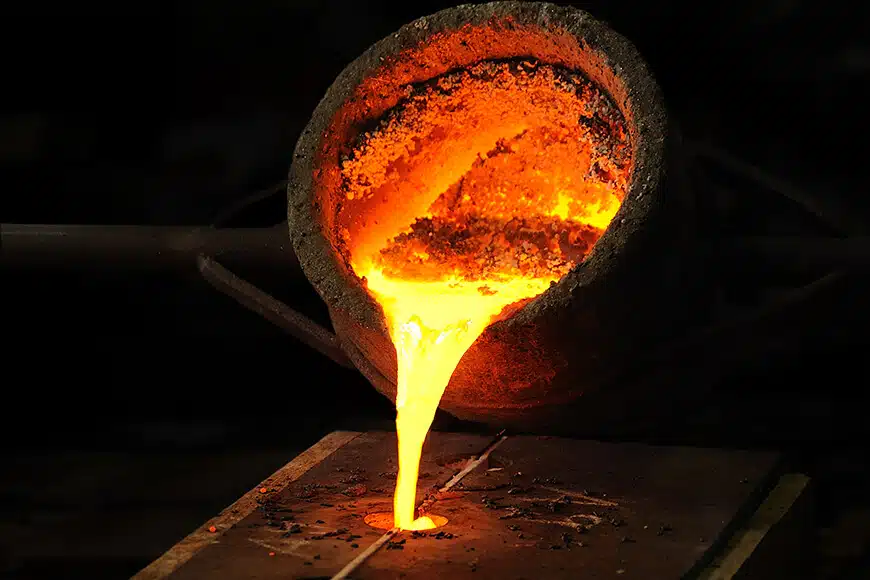
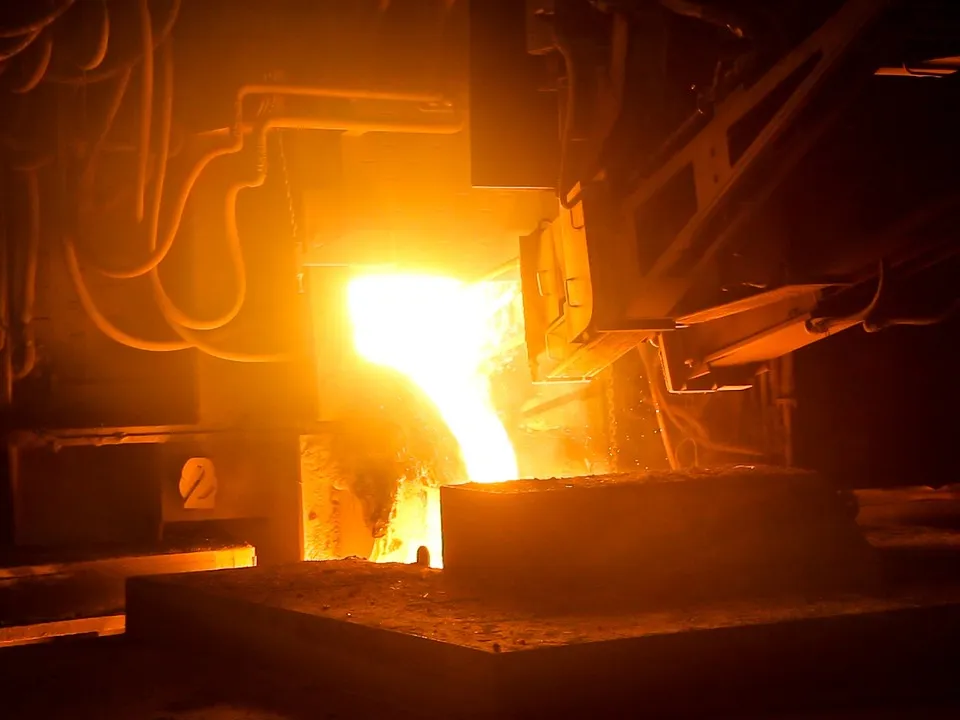
A casting starts with a pattern that shapes the mould, then molten metal is poured in and left to set. The process produces complex shapes, internal passages and heavy sections that would waste material if machined from solid. IKON supports industrial manufacturing with ferrous and non-ferrous castings.
01Ferrous casting
Iron- and steel-based metals. Strong and wear resistant, used for housings, pump bodies and heavy machine parts.
02Non-ferrous casting
Metals without an iron base, such as aluminium, bronze and brass. They resist corrosion and are lighter or easier to machine, which makes them common in fittings, bushings and marine parts.
Our expertise
What this service covers day to day
- 01
Housings and bodies
Pump casings, valve bodies and gearbox housings.
- 02
Wear parts
Liners, sleeves and bushings in wear-resistant alloys.
- 03
Marine fittings
Corrosion-resistant bronze and brass fittings for use around salt water.
- 04
Counterweights and ballast
Heavy, simple shapes where the density of the metal is the point.
- 05
Machine components
Brackets, bases and frames cast close to final shape, then machined.
- 06
Replacement castings
Parts for older equipment, cast from a pattern made from the original.
Frequently asked questions
Still have questions? Contact us, and our team will give you the answers you are looking for.
What is the difference between ferrous and non-ferrous casting?
Ferrous metals contain iron, such as cast iron and steel. They are strong and wear well. Non-ferrous metals, such as aluminium, bronze and brass, contain none. They resist corrosion and are lighter or easier to machine.
Do I need a pattern?
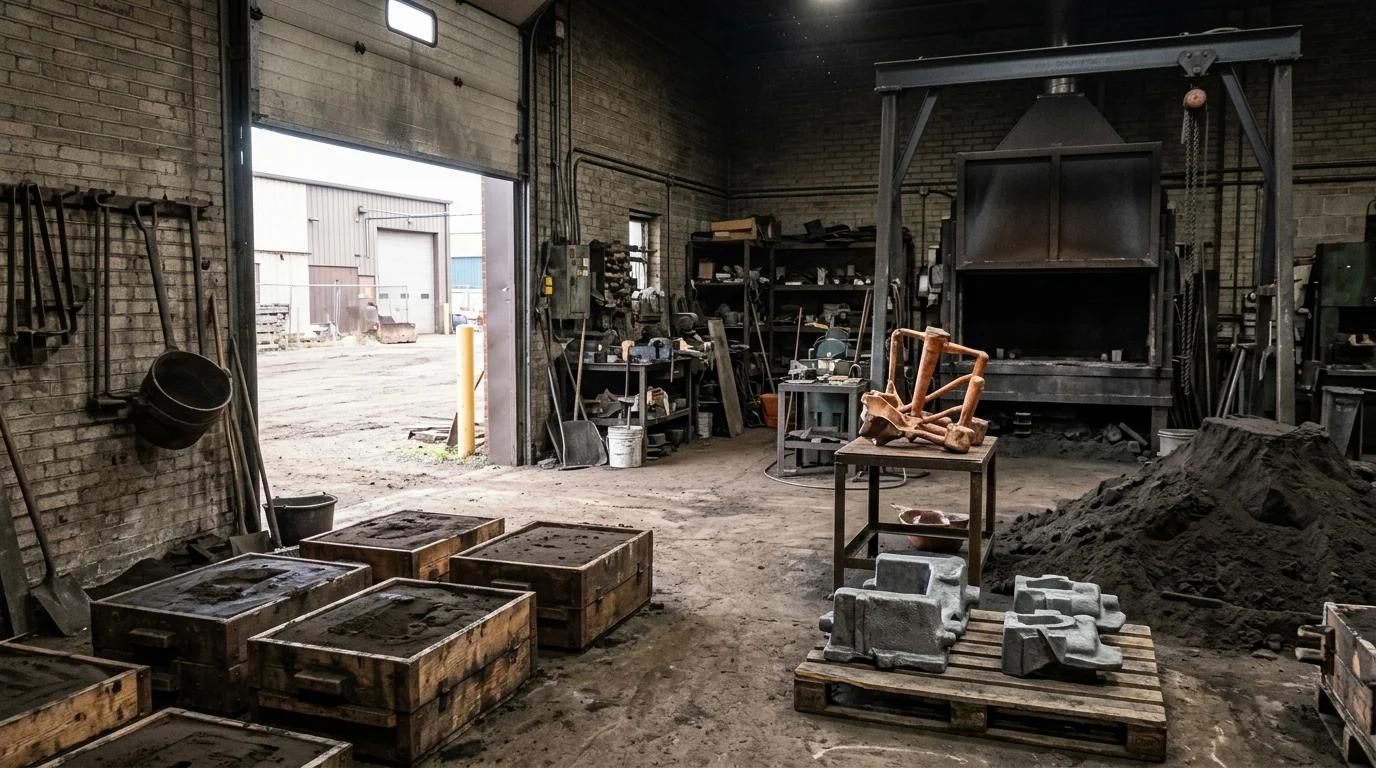
Yes, the mould is formed around one. If you only have a sample part, a pattern can be made from it. A pattern can be reused for repeat orders.
Are cast parts machined afterwards?
Usually. Casting gets the shape close. Machining then brings the critical faces, bores and threads to size.
Is casting cheaper than machining from solid?
For complex shapes and larger quantities, usually. For a single simple part, machining is often quicker. It depends on the shape and the quantity, so send us the drawing.
Is casting suitable for one-off parts, or only for large quantities?
Both are possible. A pattern is needed either way, and it can be reused, so the cost per part falls as the quantity rises. Tell us the quantity and we will advise whether casting or machining from solid is the better route.
Industries
Industries that rely on this work
01 / 06
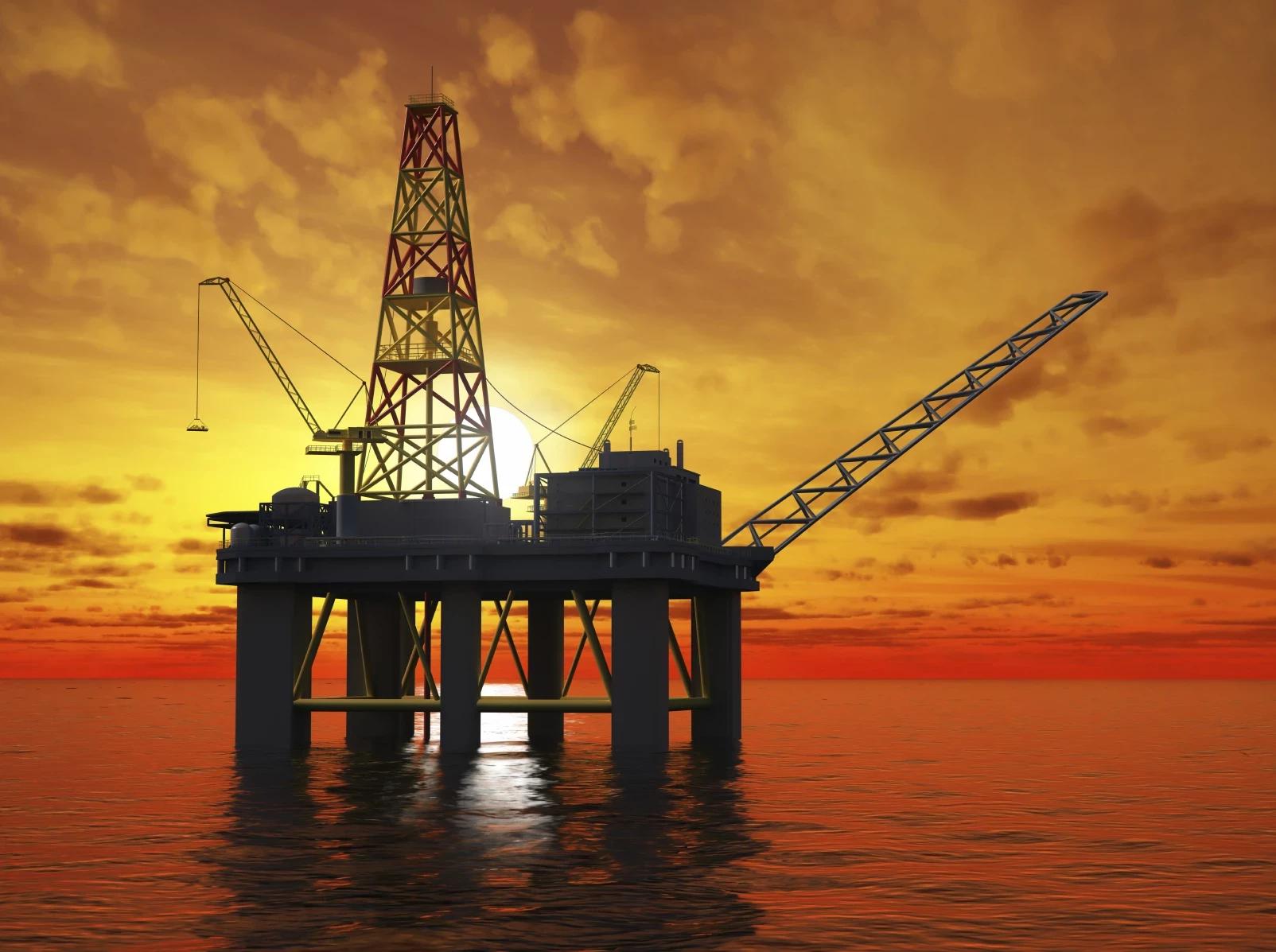
Oil & Gas
Shafts, bushings, housings and gears for pumps, valves and rotating equipment, made or repaired.
Explore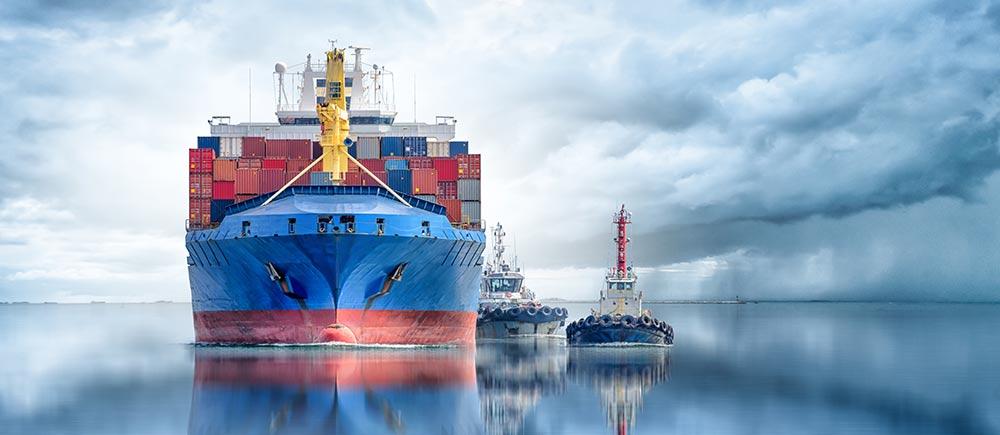
02 / 06
Marine
Bronze, brass and steel fittings, bushings and deck equipment, plus hydraulic cylinder repair.
Explore
03 / 06
Aviation
Machined and fabricated parts, and hydraulic repair, for aviation ground and workshop equipment.
Explore
04 / 06
Defense
Machining, fabrication and gear work for defense equipment, made to your specification.
Explore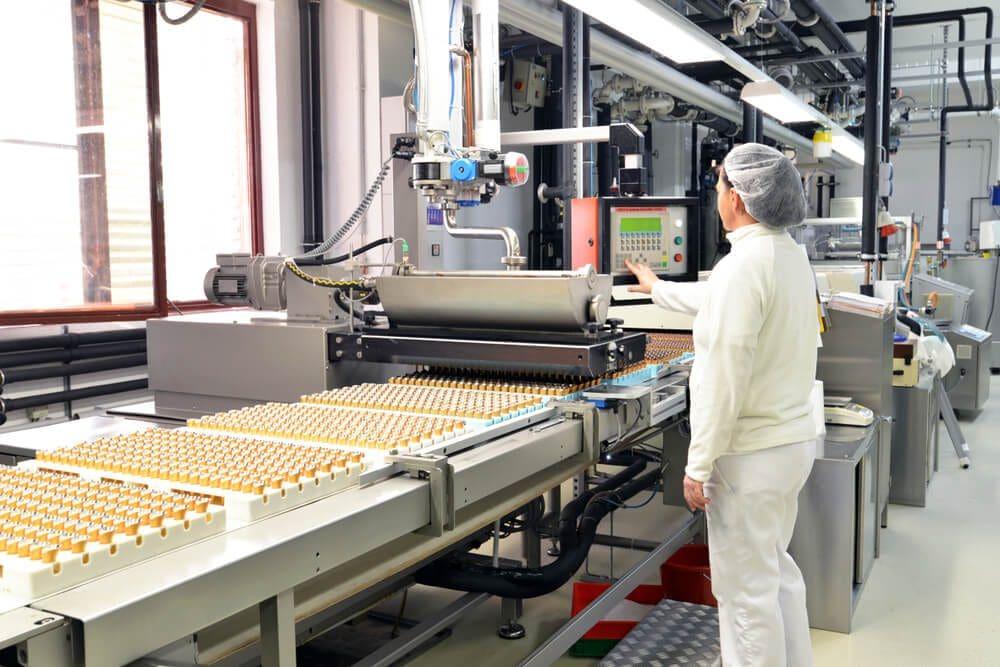
05 / 06
Food Processing
Stainless steel guards, guides, brackets and gears for processing and packaging lines.
Explore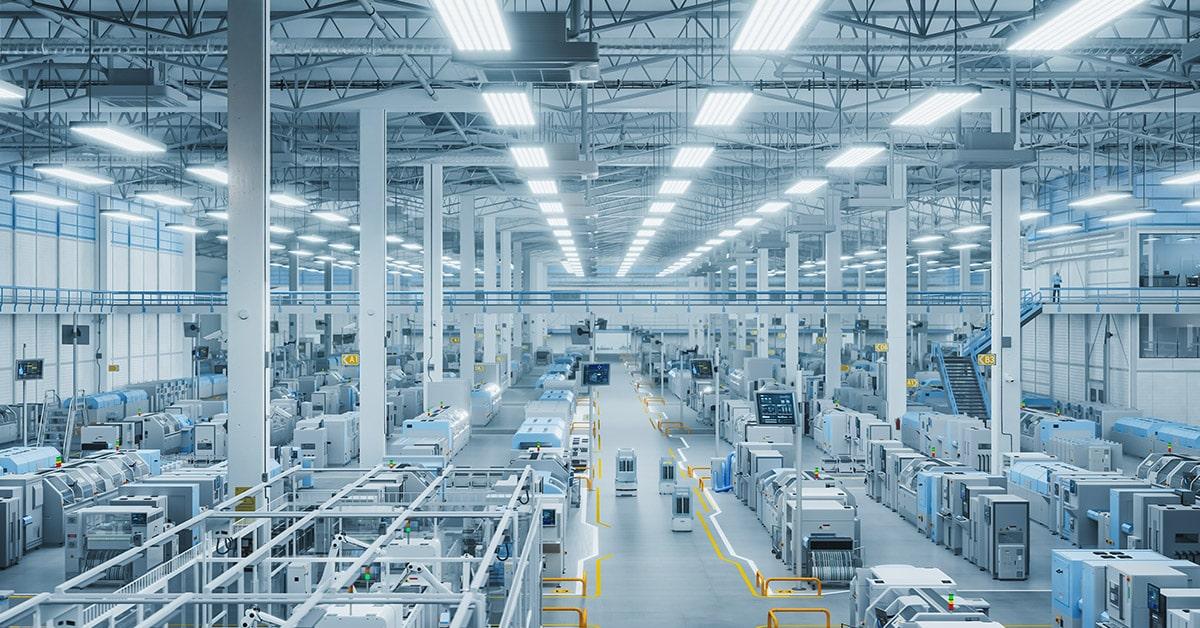
06 / 06
Manufacturing
Fixtures, tooling and spares for production equipment, from a drawing, a sample or a CAD file.
Explore