
What we do
Precision cutting by laser, waterjet and wire.
Each cutting method leaves its own mark on the edge, the material and the accuracy of the part. IKON offers laser, waterjet and wire cutting. Send the drawing, the material and the thickness, and the right method follows from those.
01Laser cutting
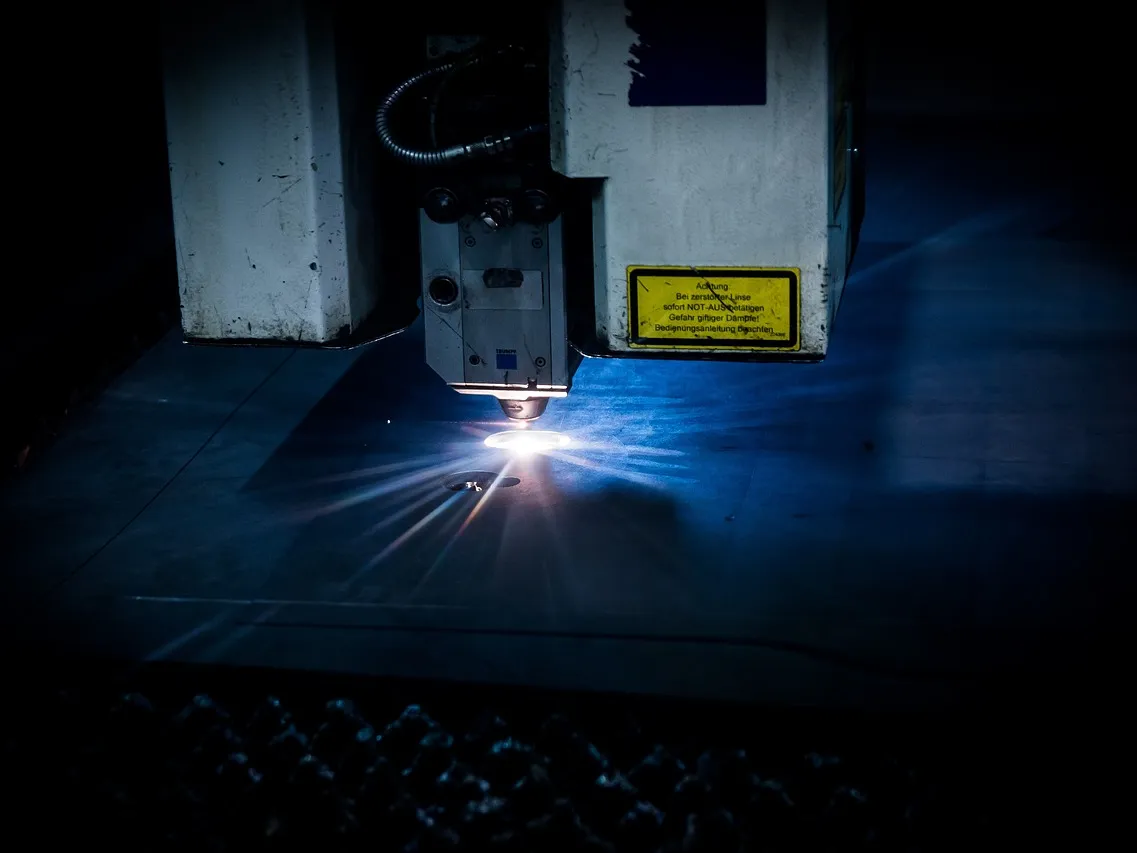
A focused beam melts or vaporises the material along the path. Fast and clean on sheet and plate, with fine detail and a narrow cut.
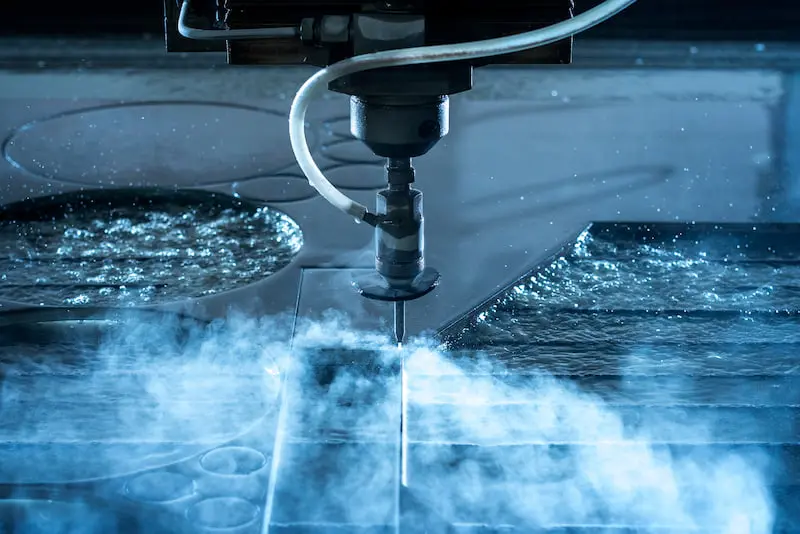
02Waterjet cutting
High-pressure water, usually carrying abrasive, does the cutting. No heat is involved, so there is no heat-affected zone, and it handles thick sections and materials a laser cannot, such as stone and glass.
03Wire cutting
A thin, electrically charged wire erodes conductive metal along a programmed path. It produces tight internal corners and fine detail in hardened steel.
Our expertise
What this service covers day to day
- 01
Profiles from sheet and plate
Brackets, plates and flat parts cut from a drawing or CAD file.
- 02
Fine detail
Small holes, narrow slots and intricate outlines.
- 03
Thick sections
Waterjet cuts thicker material than most lasers, with no heat distortion.
- 04
Hardened metals
Wire cutting shapes hardened steel that is difficult to machine conventionally.
- 05
Non-metals
Waterjet cuts stone, glass and composites as well as metal.
- 06
Dies and tooling
Wire cutting produces the tight profiles used in punches, dies and tools.
Frequently asked questions
Still have questions? Contact us, and our team will give you the answers you are looking for.
Which cutting method should I choose?
Laser for fast, accurate cutting of sheet and plate. Waterjet for thick or heat-sensitive material and for non-metals. Wire for fine detail and hardened conductive metal. Tell us the material, thickness and what the part does, and we will recommend one.
What files do you need?
DXF or DWG files are the usual choice for flat profiles. A PDF drawing with dimensions also works.
Does cutting leave a heat-affected zone?
Laser cutting does, though the zone is narrow. Waterjet cutting uses no heat, so it leaves none. Wire cutting leaves a very thin affected layer.
How thick can you cut?
It depends on the method and the material. Laser suits thin to medium plate, waterjet goes thicker, and wire cutting depends on the height of the workpiece. Send the material and thickness and we will confirm.
Can you cut curved or complex shapes?
Yes, within the limits of the method, the material and its thickness. Laser, waterjet and wire cutting all follow a profile from a drawing or CAD file, so complex outlines are routine.
Industries
Industries that rely on this work
01 / 06
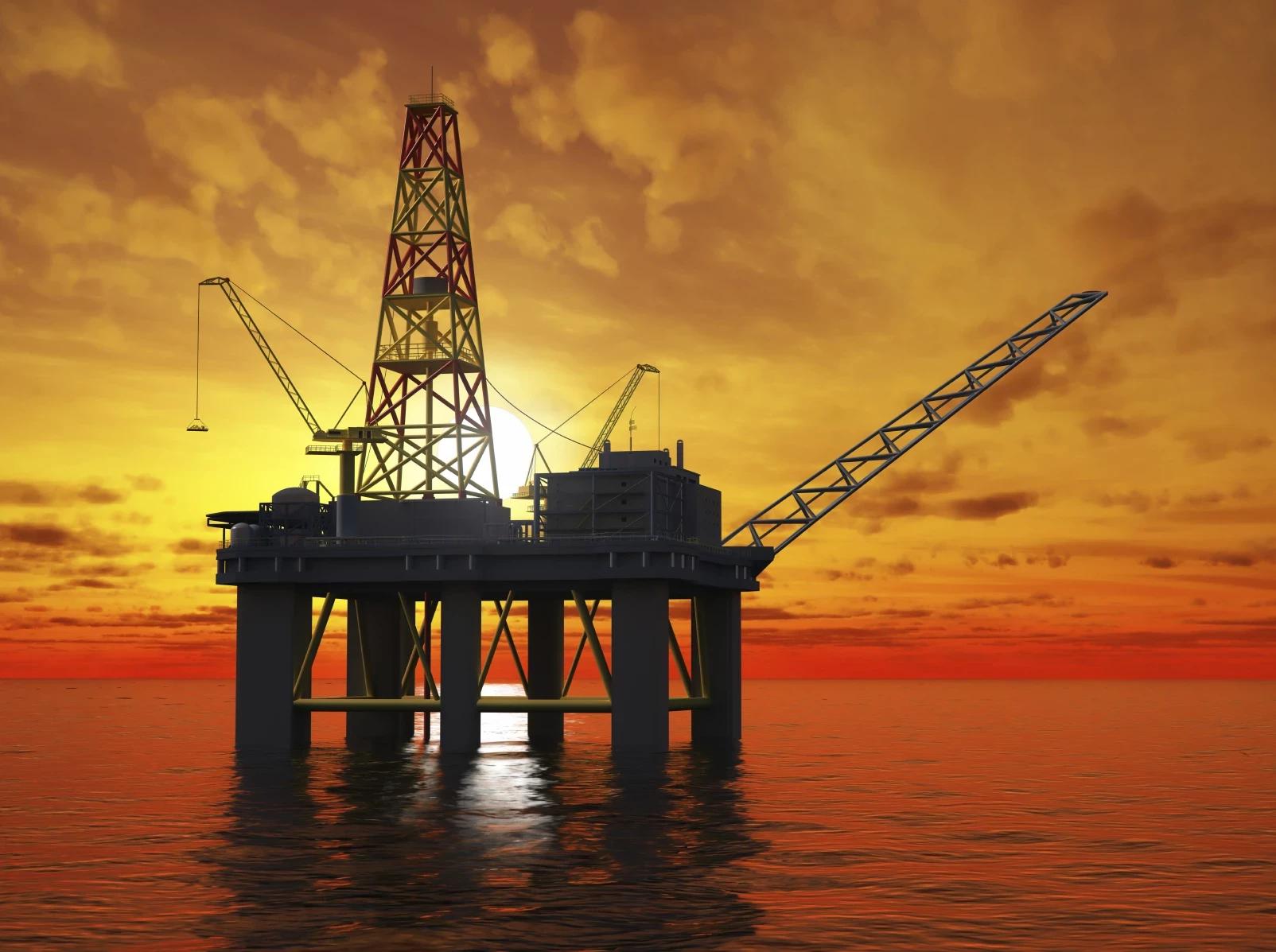
Oil & Gas
Shafts, bushings, housings and gears for pumps, valves and rotating equipment, made or repaired.
Explore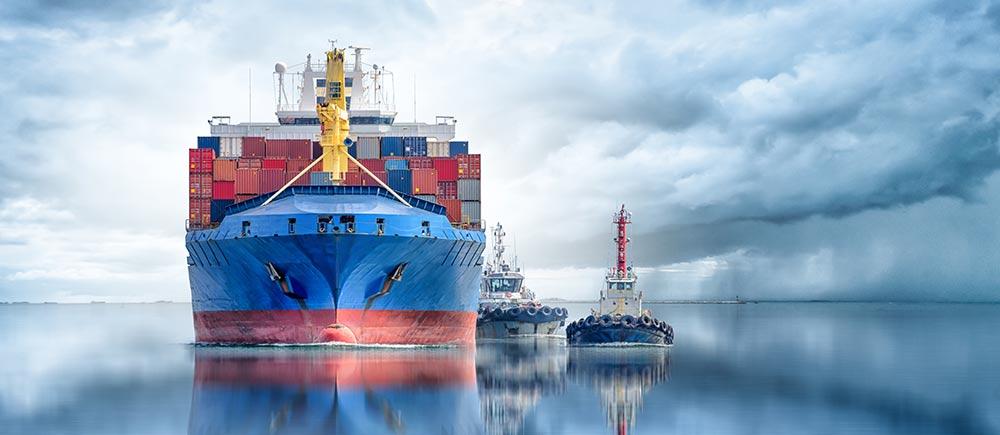
02 / 06
Marine
Bronze, brass and steel fittings, bushings and deck equipment, plus hydraulic cylinder repair.
Explore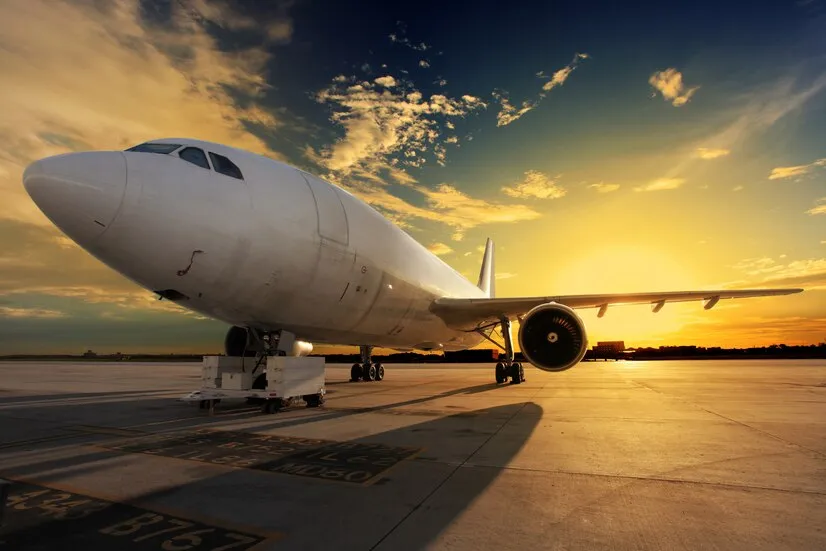
03 / 06
Aviation
Machined and fabricated parts, and hydraulic repair, for aviation ground and workshop equipment.
Explore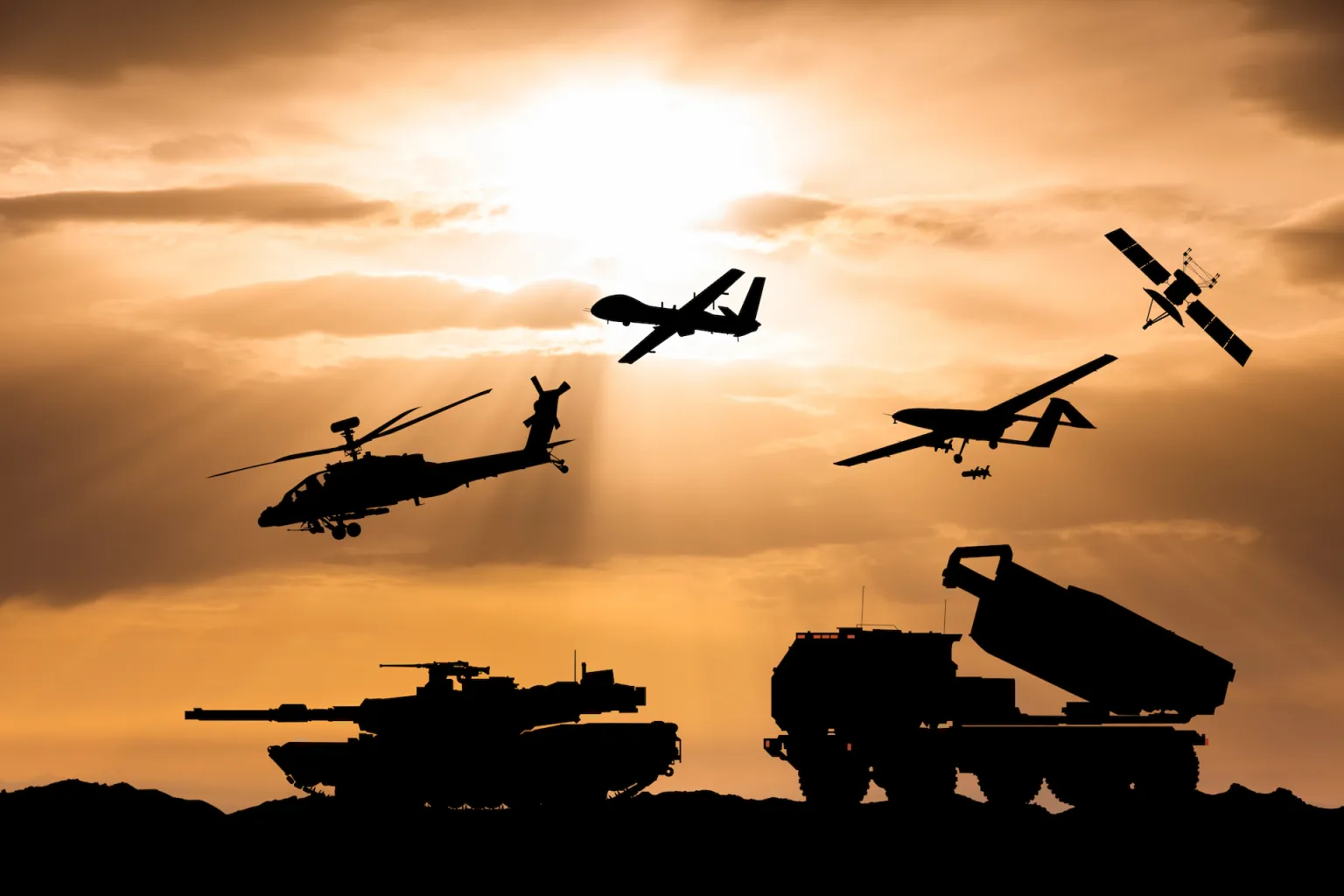
04 / 06
Defense
Machining, fabrication and gear work for defense equipment, made to your specification.
Explore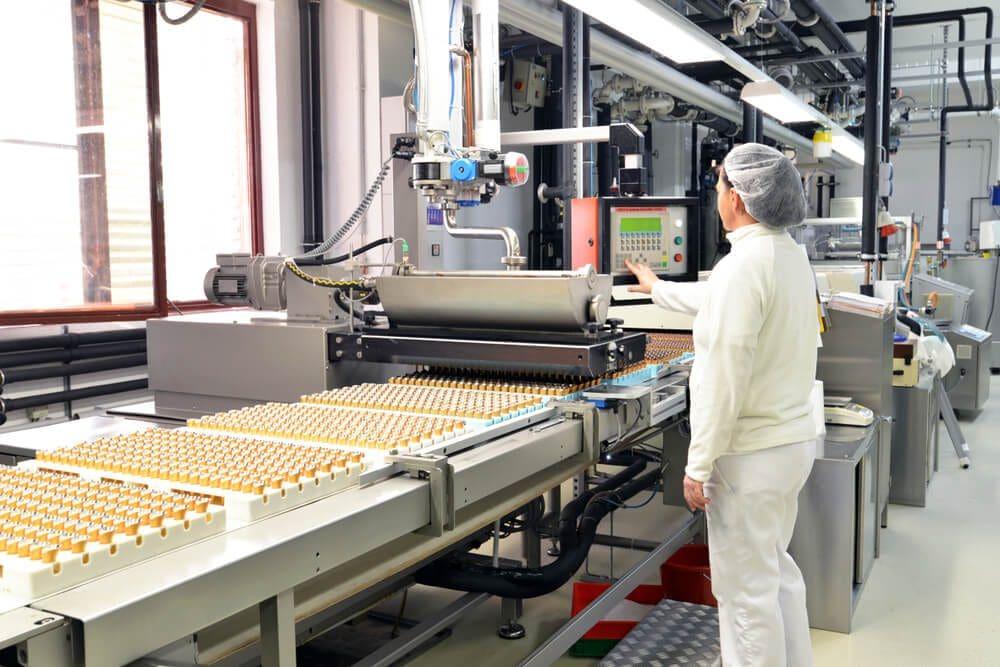
05 / 06
Food Processing
Stainless steel guards, guides, brackets and gears for processing and packaging lines.
Explore
06 / 06
Manufacturing
Fixtures, tooling and spares for production equipment, from a drawing, a sample or a CAD file.
Explore