
What we do
Gears and drive components made to match.
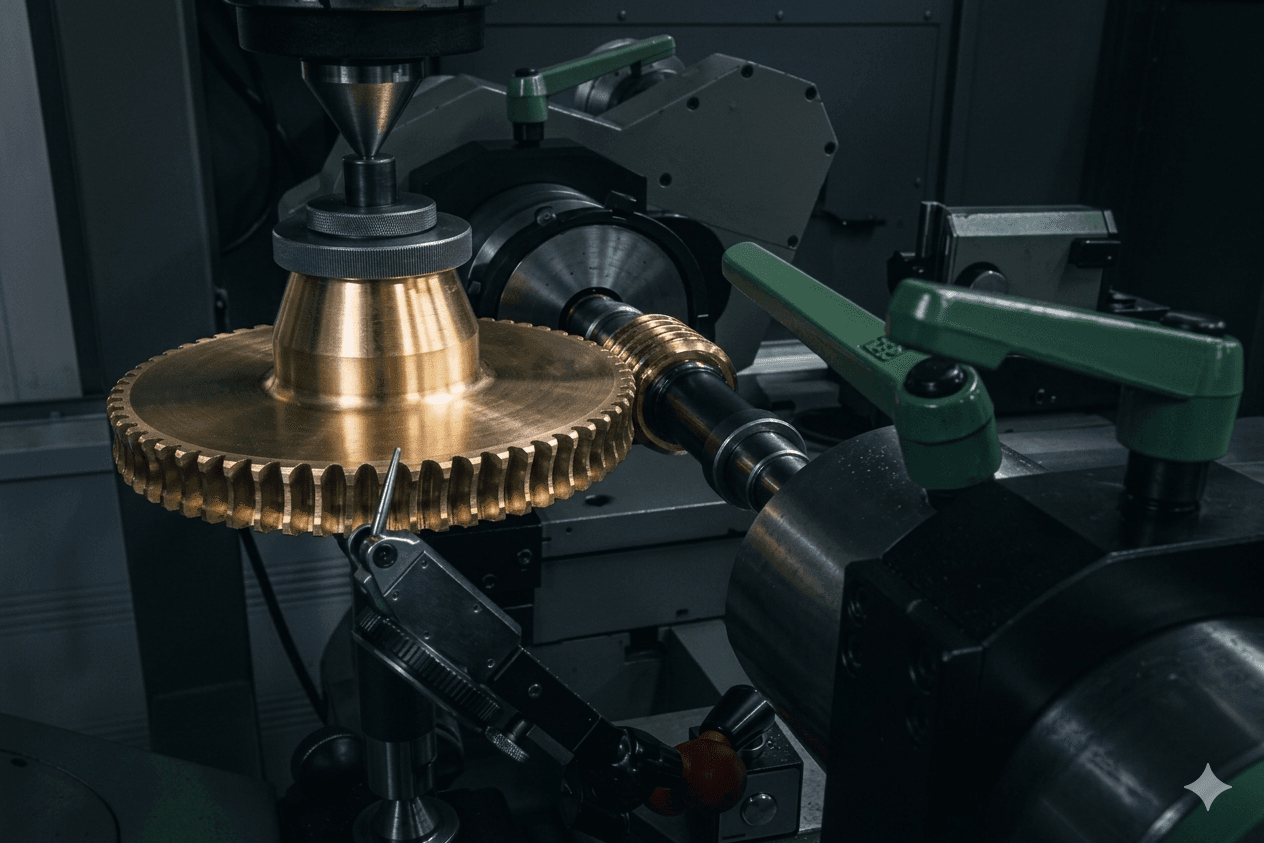
Two gears work together only if their teeth agree on size, spacing and shape. IKON cuts and manufactures gears from a drawing or a sample, along with the shafts and other parts that carry them, so a replacement meshes with what is already in the machine.
01Precision gear cutting
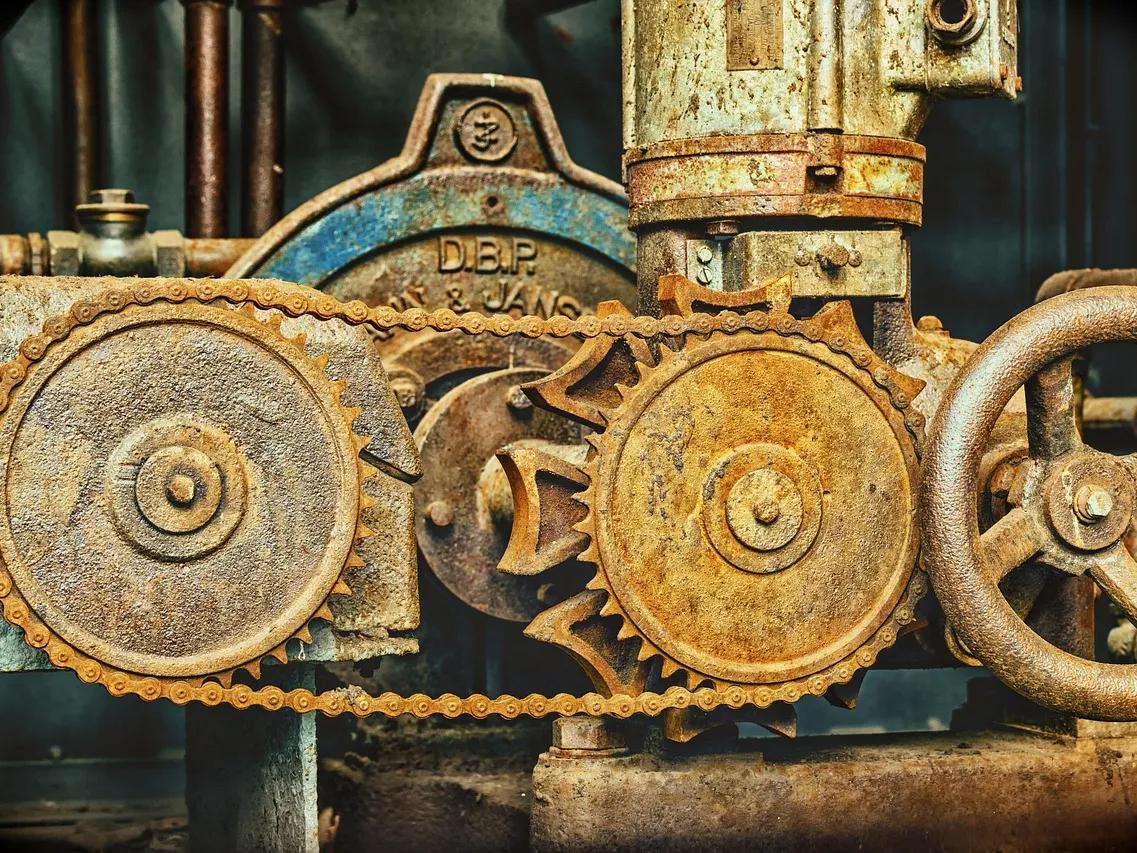
Teeth cut to the profile your drawing or sample specifies, including replacements for gears that are worn out or no longer available.
02Gear manufacturing
Complete gears made from raw stock through to the finished part, for replacement or for new builds.
03Power transmission components
The parts that carry the drive alongside the gear, made to match the rest of the train.
Our expertise
What this service covers day to day
- 01
Replacement gears
Gears made to match a worn or broken original, so the gear set works again.
- 02
Pinions
Small driving gears cut to mesh with an existing larger gear.
- 03
Gear blanks
Machined blanks with the bore, faces and keyway finished, ready for tooth cutting.
- 04
Shafts and keyways
Shafts machined to carry a gear, with keyways cut to suit.
- 05
Couplings and drive parts
Couplings and other drive components that connect the gearbox to the rest of the machine.
- 06
Gears for new builds
Gears for new machines, made from the designer's drawing.
Frequently asked questions
Still have questions? Contact us, and our team will give you the answers you are looking for.
Can you make a gear from a worn sample?
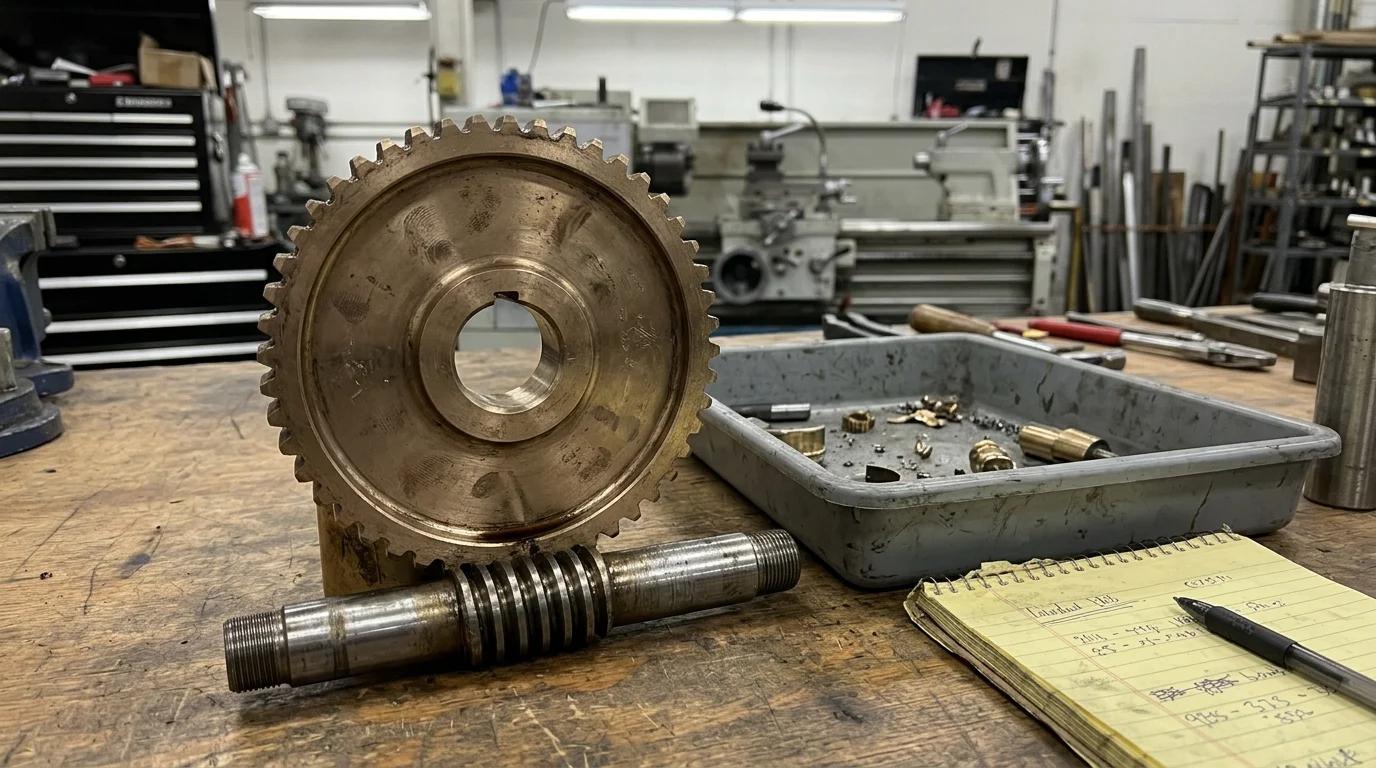
Usually. The tooth count, outside diameter and tooth form are measured from the part and the gear is cut to those. If the sample is too worn to measure reliably, the mating gear gives the same information.
What information do I need to send?
A drawing, if you have one. If not, send the sample gear, or its tooth count, outside diameter, bore, width and material. Details of the mating gear also help.
Why does a gear have to match its mate so closely?
Teeth of the wrong size or spacing wear quickly, run noisily and can break. A gear that meshes correctly spreads the load across its teeth.
Can the gear be made from a different material?
Sometimes. Material affects strength and wear, so check with us before changing it, especially when the gear works against an existing one.
How do I find the module or pitch of my gear?
For a spur gear, count the teeth and measure the outside diameter. The module is the outside diameter divided by the tooth count plus two. If you are unsure, send the gear itself or the mating gear and we will work it out.
Industries
Industries that rely on this work

01 / 06
Oil & Gas
Shafts, bushings, housings and gears for pumps, valves and rotating equipment, made or repaired.
Explore
02 / 06
Marine
Bronze, brass and steel fittings, bushings and deck equipment, plus hydraulic cylinder repair.
Explore
03 / 06
Aviation
Machined and fabricated parts, and hydraulic repair, for aviation ground and workshop equipment.
Explore
04 / 06
Defense
Machining, fabrication and gear work for defense equipment, made to your specification.
Explore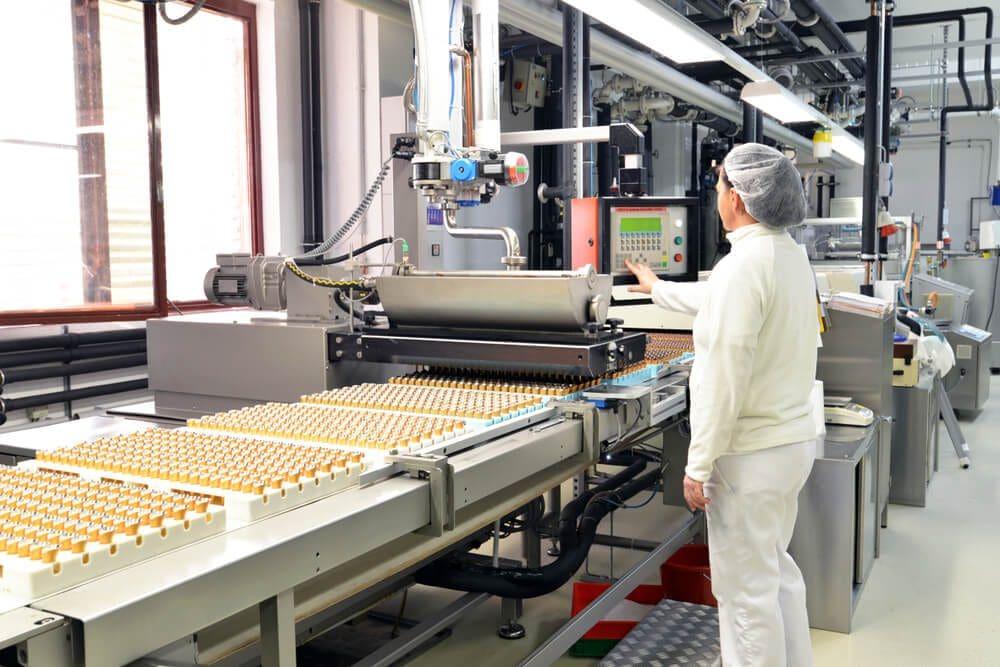
05 / 06
Food Processing
Stainless steel guards, guides, brackets and gears for processing and packaging lines.
Explore
06 / 06
Manufacturing
Fixtures, tooling and spares for production equipment, from a drawing, a sample or a CAD file.
Explore